Discoveries
The unusual, as the official pages tell it
Nothing invented. The surprises are already on NASA Science, the NSSDCA fact sheet, and the file captions of a few famous stills.
Official surprises, from official pages and official picture captions, gathered in one place.
Two official distances for an AU
Fact sheet: 149.598 million km. NASA Science: 150,196,428 km, or 93,327,712 miles, and 8.350022 minutes of light time.
Liquid water on the surface
NASA Science: the only planet in the solar system with it, about 71% of the surface, 97% of Earth’s water in the oceans, and the longest mountain range underwater.
A planet that learned its own portrait
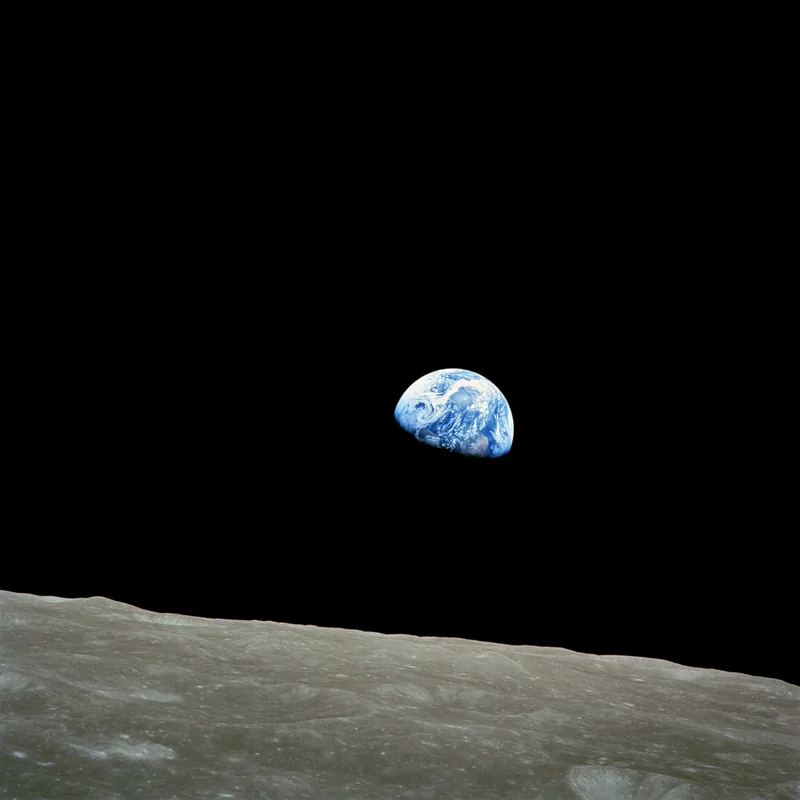
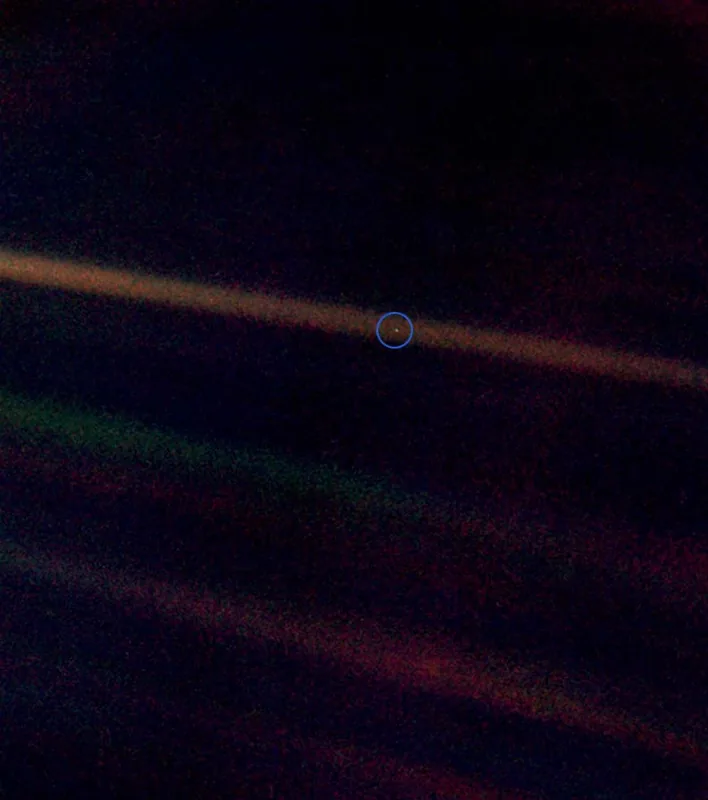
Earthrise, 24 December 1968. The Blue Marble, 7 December 1972. The Pale Blue Dot, 14 February 1990.
A name that means the ground
NASA Science: the only planet whose English name does not come from Greek or Roman mythology.
One large moon, and room for 30 Earths in between
NASA Science: Earth is the only planet with only one moon, 238,855 miles (384,400 kilometres) away, and 30 Earth-sized planets could fit in the gap.
Enjoyed two official distances for an AU, a 71-percent ocean, and a pale blue dot in a sunbeam?
No pop-ups. No intrusive advertising. Just interesting stuff. A little support helps the next planets.im site get built.